December is a noisy time
By December, everyday sounds hit differently. A chair scraping, a phone buzzing on a desk, a door closing a bit too hard, they land heavier than they did in July.
Your fuse feels shorter. Things that never bothered you suddenly cut through. And while the world does get busier at this time of year, part of what you’re feeling is simply this: your ability to filter noise is running thin.
The end of the year brings deadlines, wrap-ups, events, reviews, planning, pressure, all stacked on top of what you’re already carrying. With so much sitting in your mental inbox, ordinary sounds don’t stay in the background. They jump forward.
And you’re not the only one feeling it.
Across workplaces, campuses, and training environments in Auckland, Wellington, Christchurch and beyond, people hit the same wall: students finishing the academic year, teams rushing to close projects, leaders trying to land the year cleanly. Sensory fatigue builds, and spaces that felt manageable in August suddenly feel overwhelming.
It’s not you, it’s the season
After a full year of decisions, deadlines, meetings, admin, handovers, and emotional load, your internal buffer is worn down. By December, there’s simply less bandwidth left to filter out the noise around you.
So when everyday sounds feel sharper or harder to ignore, it’s not a lack of resilience, it’s your system letting you know the battery is low.
Why is the end of the year so noisy?
When you look back, it actually makes sense. From January onward, we collect a year’s worth of “open loops”: unfinished tasks, decisions waiting in the background, responsibilities we’ve quietly carried for months. Each one takes up a little mental space. For most of the year, the brain can juggle it and still filter out everyday noise.
But when December arrives, everything hits at once:
1. Your cognitive load is full.
All those small demands the brain managed quietly now fill up the mental buffer that normally softens distractions.
2. Everything compresses.
Deadlines, reports, handovers, planning, exams, all squeezed into the same tight window. The workload doesn’t change, but the time does.
3. Emotional load spikes.
Family logistics. Social events. Travel. End-of-year expectations. It all drains emotional bandwidth.
4. Fatigue lowers tolerance.
After eleven months of effort, the nervous system is more reactive. Less sleep + accumulated stress = less ability to filter sound.
5. And yes, the world genuinely gets louder.
More traffic. More events. More construction rushing to finish before the break.
More movement and activity everywhere.
So by the time December arrives, the ‘background noise’ just feels like more demands on a system that is overheating.
That’s why you feel groggy and tired, and like you can’t focus. It’s why your patience thins and interruptions feel sharper.
This isn’t just a psychological pattern, it’s an environmental one. When the mind is stretched thin, it leans more heavily on the space around it to provide calm.
What can we do about it?
When we’re stretched thin, the brain leans more heavily on the environment to help regulate attention.
And this is where small decisions make a big difference.
- A buzzing appliance moved away from desks.
- A corner softened with textiles so sound doesn’t bounce.
- A high-traffic path shifted so conversations don’t brush past people trying to focus.
Tiny adjustments like these aren’t dramatic, but they instantly make a space feel steadier.
Each one gives the mind a little room back, no renovation required.
Sometimes those small shifts are enough.
Other times, the space needs something more intentional. A spot where the noise can’t follow and people can actually reset for a few minutes.
That’s where soundproof pods come in.
How can Silent Pod help?
By the end of the year, most people aren’t overwhelmed by one big loud moment, it’s the accumulation of noise, interruptions, and effort. After months of background hum and constant context-switching, the brain has less room to absorb anything extra.
When you’re stretched thin, pushing through doesn’t work.
What helps is stepping into a space that gives your mind a break.
That’s exactly what modular office pods are built for.
They offer a small, quiet environment where you can step away from the noise. A spot where your nervous system can drop out of high alert and your attention can finally settle.
Pods aren’t a major architectural overhaul.
They’re a simple, reliable pocket of calm people can use when the rest of the space feels full.
A few minutes inside, and the world softens.
The system resets.
Clarity comes back online.
Pods can’t change how busy December gets, but they can protect something people lose by this time of year. The clear, steady thinking that only returns when the noise drops away.
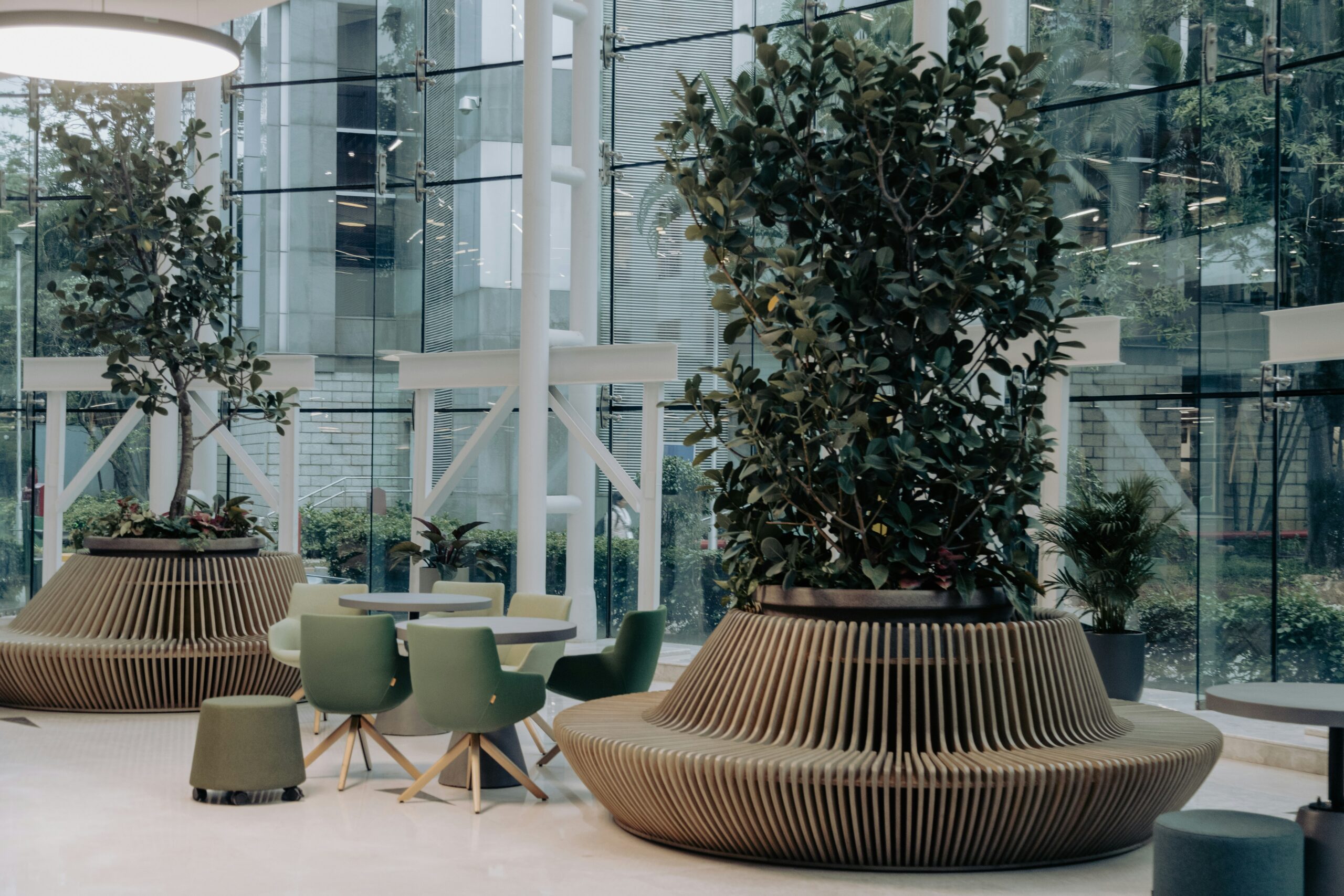
Photo by Bernd 📷 Dittrich on Unsplash