When Everyday Office Noise Becomes a Barrier to Focus
Imagine trying to think while six radios play at once. I don’t know about you, but I’d find that incredibly frustrating – almost impossible to work through.
For many neurodiverse employees, that’s what an open-plan office can feel like, simply because their brains often take in more of the sounds around them. Conversations, footsteps, and background movement all come through clearly. It’s a real strength in the right environment, but when too many inputs compete at once, it quickly becomes overwhelming. And over a normal workday, that constant sensory load builds into real fatigue and stress, making it harder to focus, finish tasks, or stay steady in busy moments.
Why Open-Plan Offices Can Feel Overwhelming for Neurodiverse Brains
This overwhelm happens because many neurodiverse brains process sensory input in a more intense, detailed way. Every sound, movement, or flicker comes through clearly, almost as separate threads the brain has to track.
In an open-plan office, that can mean dozens of sharp, competing inputs hitting at once: a colleague’s phone call, someone’s footsteps behind you, a chair scraping across the floor. For many autistic and ADHD employees, this isn’t just distracting, it can be physically and emotionally painful, pushing the brain into a defensive, exhausted state simply from trying to cope. And because most workplaces are built around an “average” sensory profile, they unintentionally create environments that leave these employees struggling to stay regulated, focused, and comfortable throughout the day.
The Real Cost of Sensory Overload in the Workplace
When this sensory load goes unaddressed, it affects far more than momentary focus, it shapes overall wellbeing and workplace performance.
Long-term overstimulation can leave neurodiverse employees drained, needing more recovery time, or taking extra sick days simply because the environment isn’t built for how their brains work. This fatigue shows up in small, everyday ways: missed details, slower output by mid-afternoon, or a team member withdrawing during busy periods. Over time, it can lower morale, reduce engagement, and increase turnover. Not because people are less capable, but because the space is working against them. And when diverse thinkers quietly burn out or leave, organisations lose the creativity, adaptability, and fresh perspectives they need, especially in a rapidly changing, AI-driven landscape.
Simple Environmental Changes That Support Neurodiverse Teams
While no single change will work for everyone, and it’s important not to speak on behalf of all neurodiverse employees, there are clear sensory trends that many autistic and ADHD team members experience. The most reliable approach is to ask what people need from their workspace, and to gather that feedback in ways that don’t rely on disclosure – such as anonymous surveys or quiet check-ins. This helps avoid “majority rules” decisions that unintentionally drown out the voices of those who sit in the minority.
With that context in mind, a few simple environmental adjustments can make a noticeable difference: creating small quiet zones for resetting, adding acoustic dividers or soft furnishings to blunt the constant background buzz, or shifting desks away from high-traffic areas to cut down on noise and movement. And for teams that need a more controlled, predictable space, modular office pods offer a calm, low-stimulus spot without requiring major renovations.
How Office Pods Give Neurodiverse Employees More Control and Calm
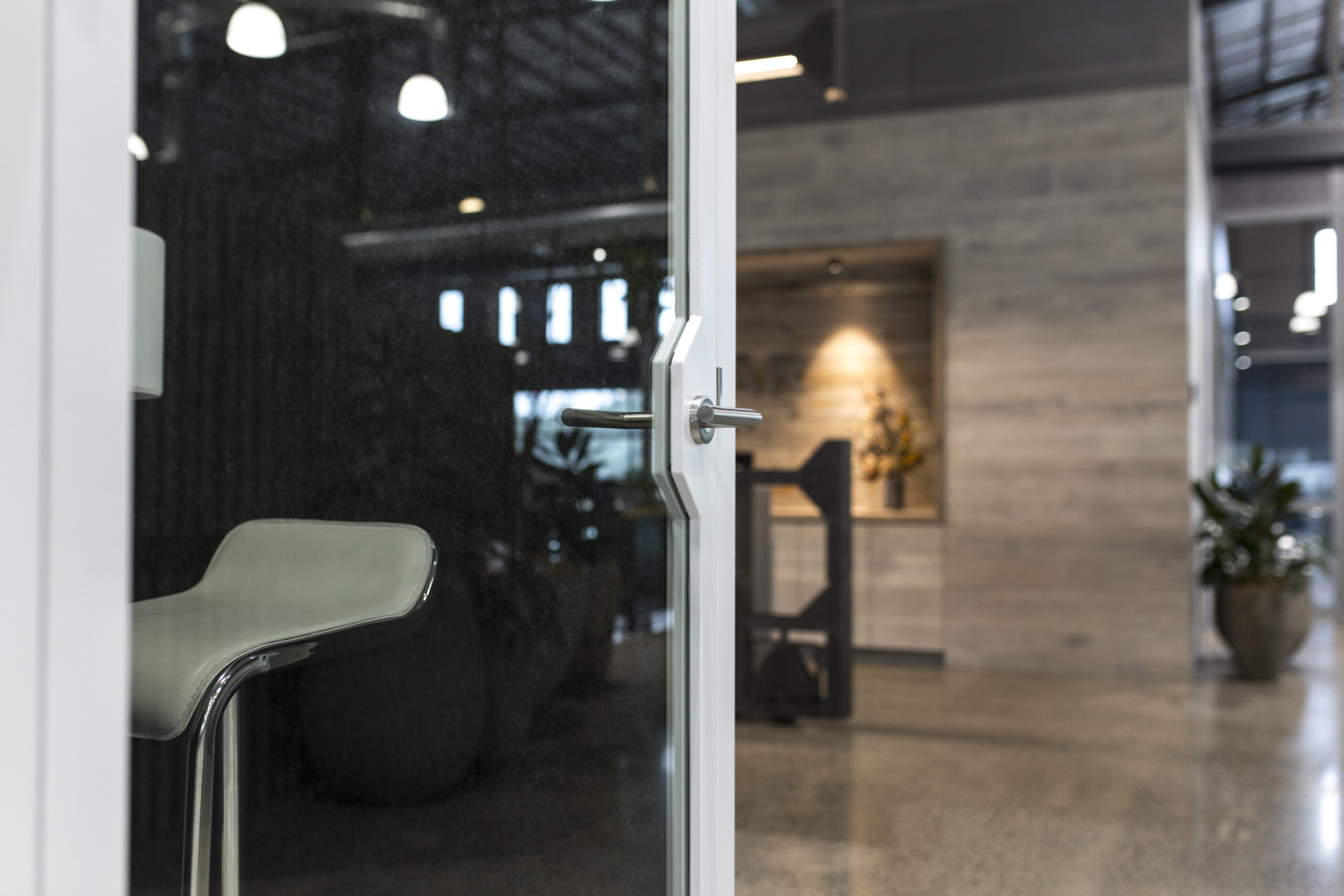
Soundproof office booths fit naturally into this mix because they give employees something incredibly important: choice. When someone starts to reach sensory overload: that point where sound, movement, and competing inputs become physically or mentally overwhelming – having a pod nearby means they can step into a calm, predictable space for a few minutes, reset, and return when they’re ready. It’s not a major redesign of the office; it’s a small, flexible option that people can use as needed throughout the day. These micro-moments of relief add up, helping neurodiverse team members stay balanced, focused, and able to do their best work without pushing through discomfort.
The Silent Pod Range: Simple Spaces That Support Calmer, More Focused Work
Our range of office pods are designed to reduce everyday noise to a comfortable level, giving people a calm space to think without needing any renovation or disruption to the office. Each pod offers a different kind of support, depending on the task and the person using it.
Single Pod — Quiet Focus for One
Single Pod

Ideal for deep work or reset moments. The Single Pod creates a low-stimulus environment where someone can step away from the noise, breathe, and refocus before returning to their team. Great for campuses, hybrid teams, and busy open-plan floors.
Connect Pod — More Room, Same Calm
Connect Pod
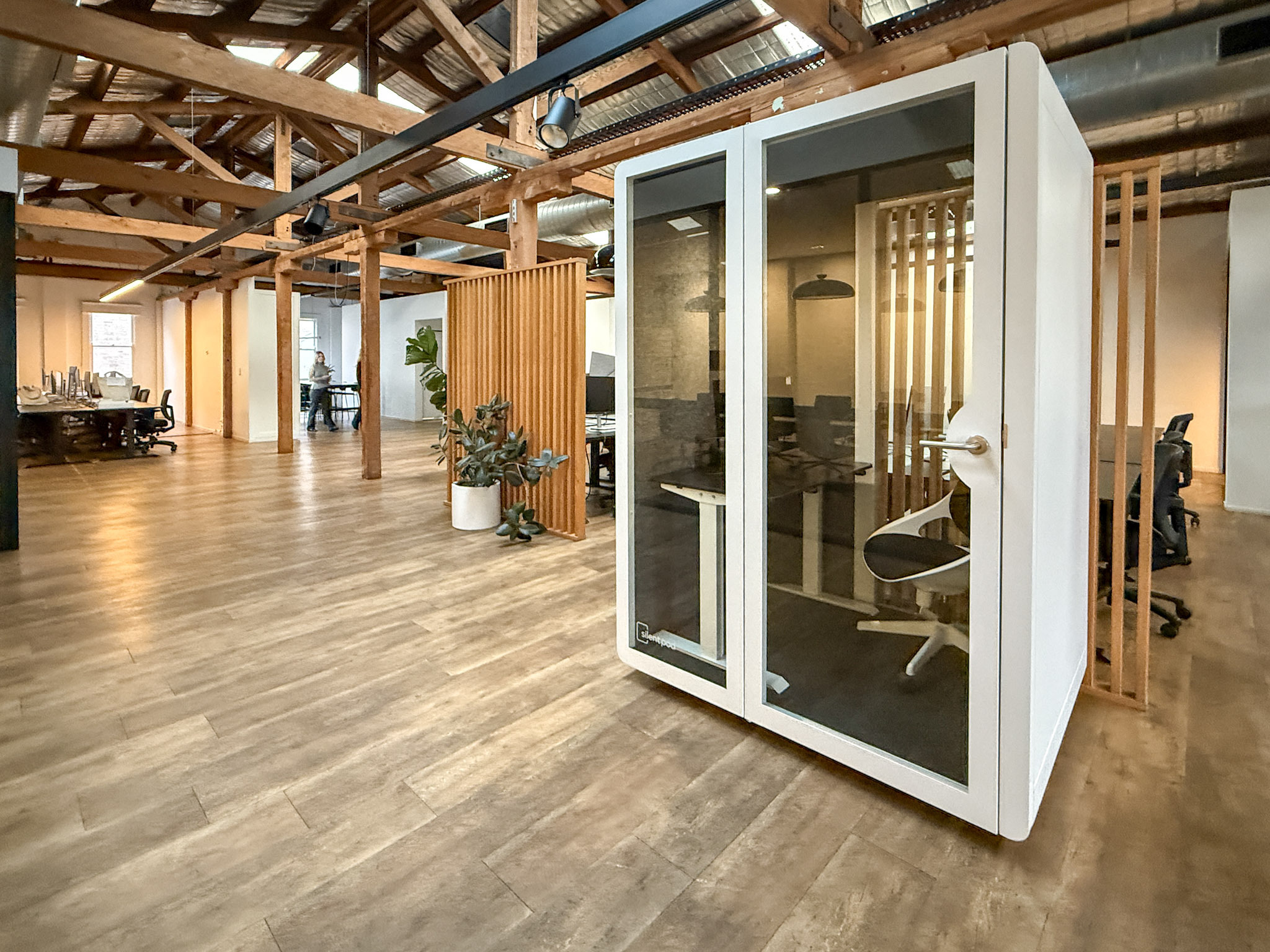
The Connect Pod offers a spacious individual environment for people who need a little extra room to feel comfortable. It’s useful for longer stretches of focused work, virtual meetings, or regulating during periods of sensory overwhelm.
Collab Pod — Calm Collaboration for 2–4 People
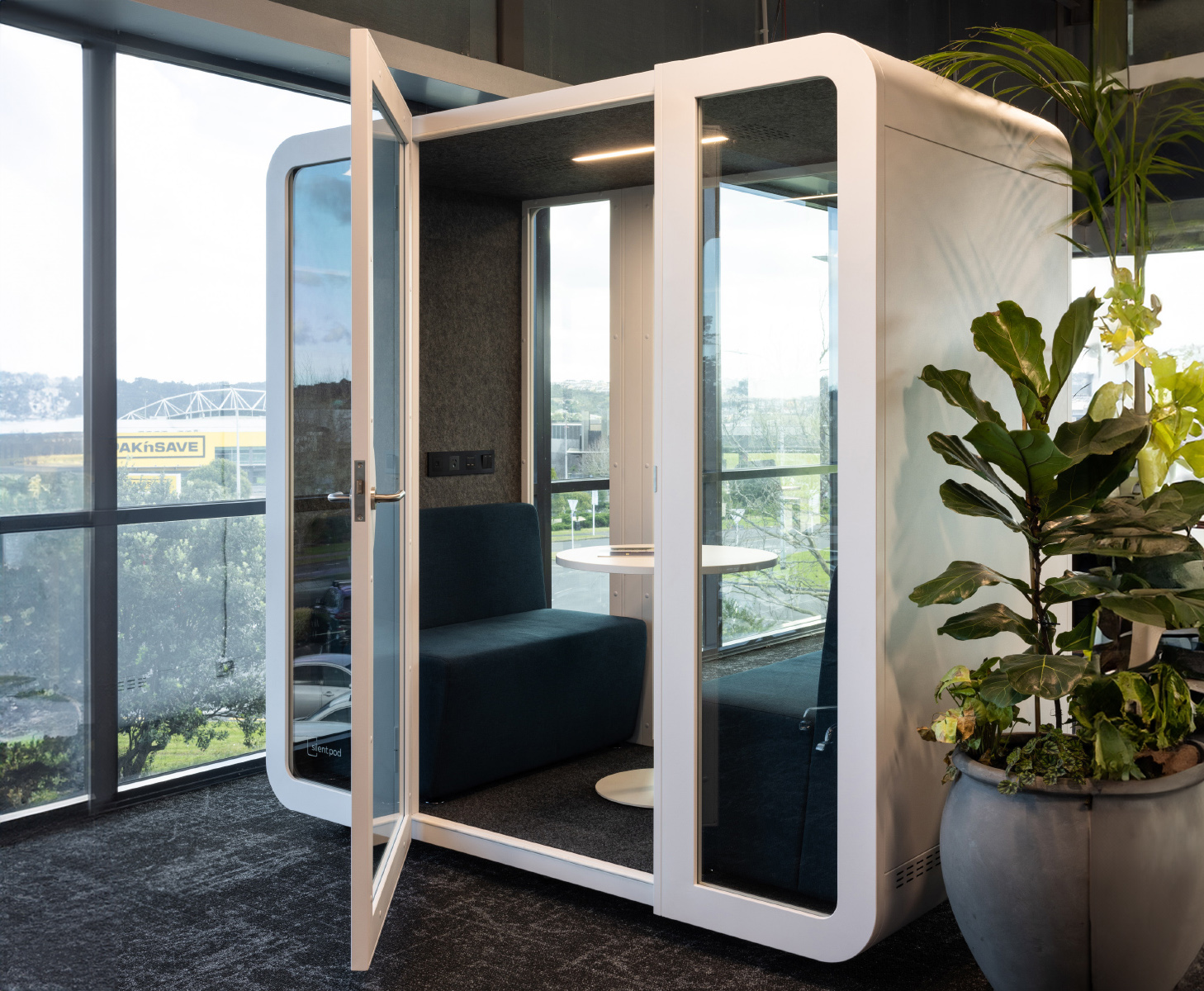
Collab Pod
Many neurodiverse employees find group discussions easier in smaller, contained spaces where sound doesn’t bounce around. The Collab Pod provides a quieter setting for small meetings, mentoring sessions, tutoring, or creative teamwork, without the overstimulation of an open meeting area.
Boardroom Pod — A Focused Space for 5–6 People
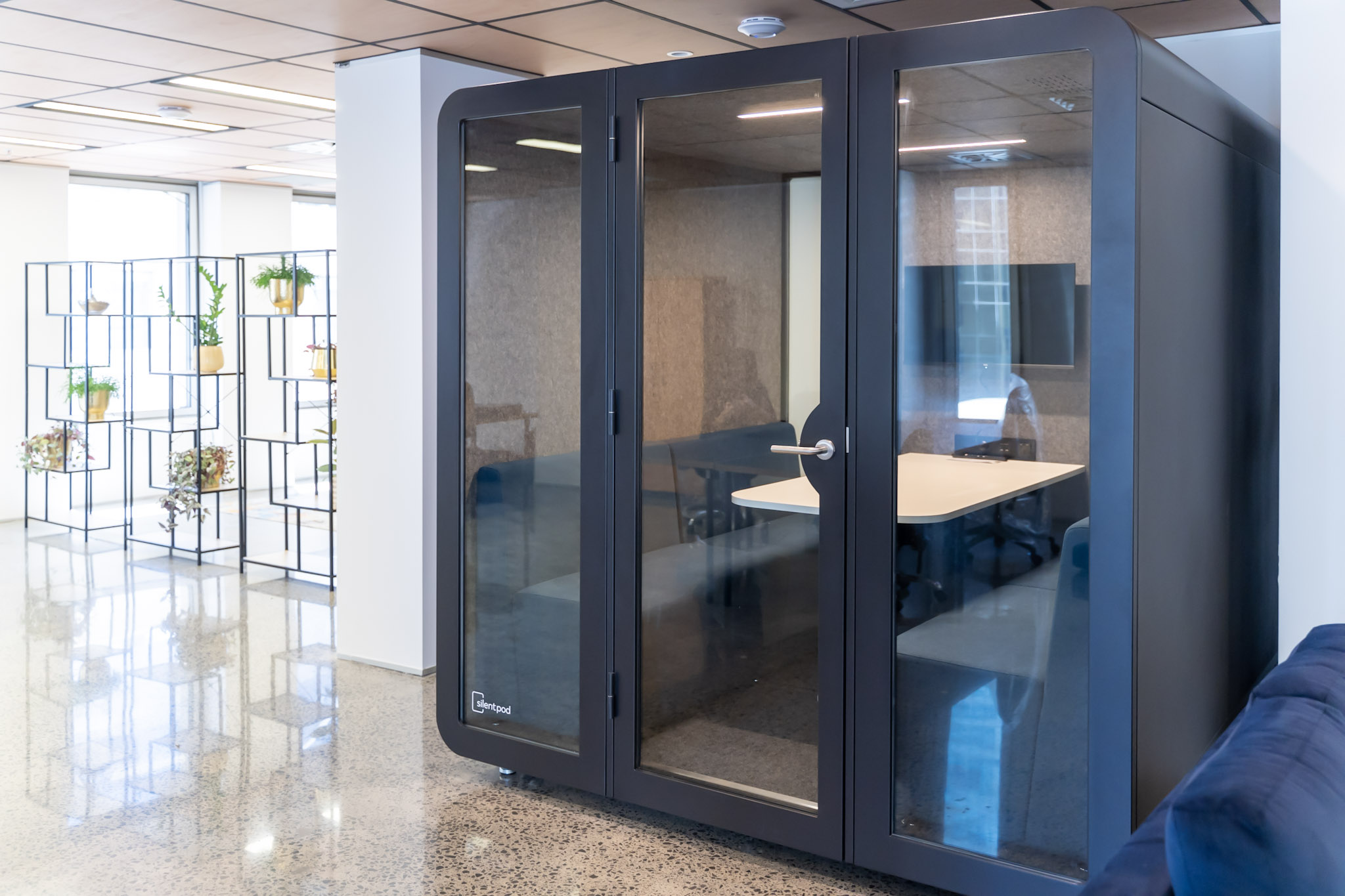
Boardroom Pod
With room for a monitor and a small group, the Boardroom Pod keeps conversations contained and predictable. It’s helpful for project work, interviews, or team discussions where people benefit from reduced noise, fewer interruptions, and a consistent sensory environment.
Together, these pods offer simple, flexible ways for workplaces and campuses to create calmer spaces, giving every team member the choice to step into an environment that supports their brain and their best work.
Creating a Workplace Where Everyone Can Thrive
When people feel supported, they show up as their best selves – and often it’s the small, thoughtful changes that make the biggest difference. Creating quieter, more flexible spaces helps everyone feel a little more grounded and able to focus, no matter how their brain works. It’s a simple way to build a workplace where people can breathe, think, and thrive.
If you’d like a hand exploring what that could look like in your own office, we’re always here to chat.